Technology and Human Teaching: Building the Future of Education
People love to argue about technology in education, but honestly, it’s not some either/or situation. The best classrooms use technology and private tutors together, playing to the strengths of both, and end up creating richer learning than you’d get from just one or the other. Sure, AI can deliver content, assess learning, and give feedback, but it just can’t do the mentorship, emotional support, or on-the-fly problem-solving that real educators bring to the table.
Integrating technology and education isn’t about tossing out what works—it’s about using new tools thoughtfully. Tech is great for personalizing lessons and letting students learn at their own pace, while teachers are still the experts at building relationships, sparking critical thinking, and noticing those little shifts in students that algorithms just miss. It’s not a competition; it’s more like a partnership, if you ask me.
Today’s classrooms thrive when they look at what makes teaching “human” and what tech actually does well. If educators and administrators can get a clear sense of where human connection matters most and how personalized learning platforms can help, they’ll be in a better spot to use technology wisely—without losing what’s essential about real teaching.
Human Connection in Modern Classrooms
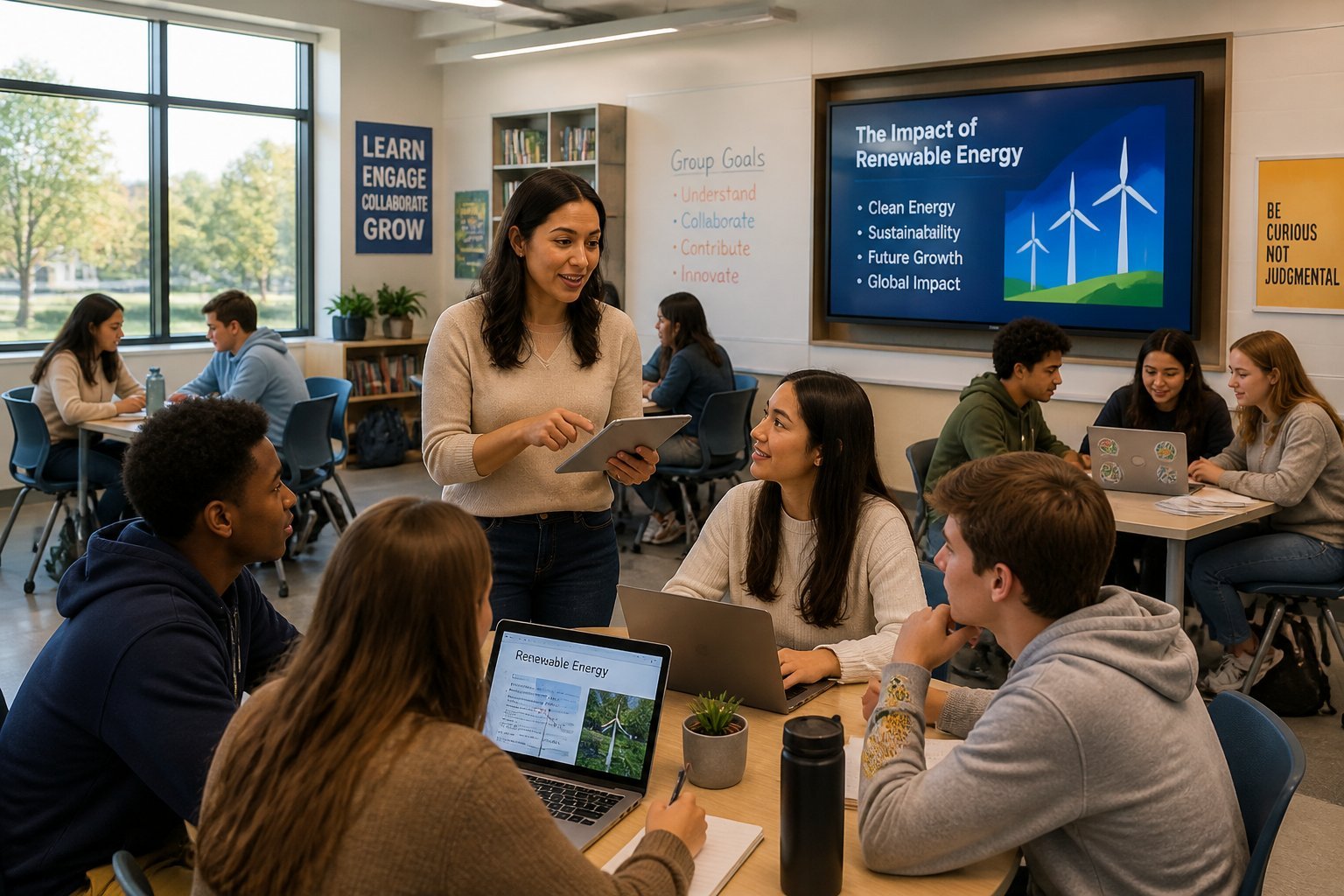
Teachers offer emotional support and personalized guidance that technology just can’t match. Their knack for spotting unique learning styles and encouraging critical thinking is honestly irreplaceable when it comes to helping students grow.
The Irreplaceable Role of Teachers
Teachers aren’t just instructors—they’re mentors, guides, and sometimes even the person who notices when a student is quietly struggling. They adapt in ways no algorithm can. Their role keeps shifting as tech evolves, but let’s be real: the core importance of a good teacher hasn’t gone anywhere.
Students are more engaged when teachers build trust and make classrooms feel safe. That kind of relationship lets educators get a real sense of how each student learns best. Maybe one kid needs hands-on activities instead of lectures—an observant teacher will notice and adjust, sometimes without even thinking about it.
Teachers also show students how to work together, handle disagreements, and think through ethical dilemmas. You can’t really automate empathy or teach conflict resolution through an app, can you?
Emotional Intelligence and Student Support
Emotional intelligence is a huge part of teaching. It lets teachers spot when students are dealing with stuff outside of school—anxiety, family problems, you name it. They can step in with support that goes way beyond just academics.
When teachers connect emotionally, students actually feel seen and heard. That sense of safety? It makes them more likely to take risks, ask questions, and really participate. There’s even research showing that care and safety matter more for learning than just delivering information.
Teachers notice things like nervous glances or confused looks—details that standardized tests just don’t pick up. A puzzled face might mean it’s time to explain something differently, and a good teacher will catch that in the moment.
Nurturing Critical Thinking and Experiential Learning
Teachers lead discussions that push students to dig deeper, question what they’re told, and build solid arguments. They ask open-ended questions—sometimes ones that don’t have a clear answer—so students have to think, not just memorize.
They also create hands-on learning: labs, field trips, group projects, simulations. These aren’t just fun—they connect what students learn in theory to the real world. Teachers watch how students handle these tasks and give feedback that helps them improve their thinking.
Some of the ways teachers nurture critical thinking:
- Socratic questioning that makes students go beyond the obvious
- Debates that force everyone to see different sides
- Group projects where students have to negotiate and compromise
- Feedback that calls out strengths and helps fix logic gaps
It’s a balancing act—knowing when to help and when to let students wrestle with a tough problem on their own.
Integrating AI and Technology for Personalized Learning
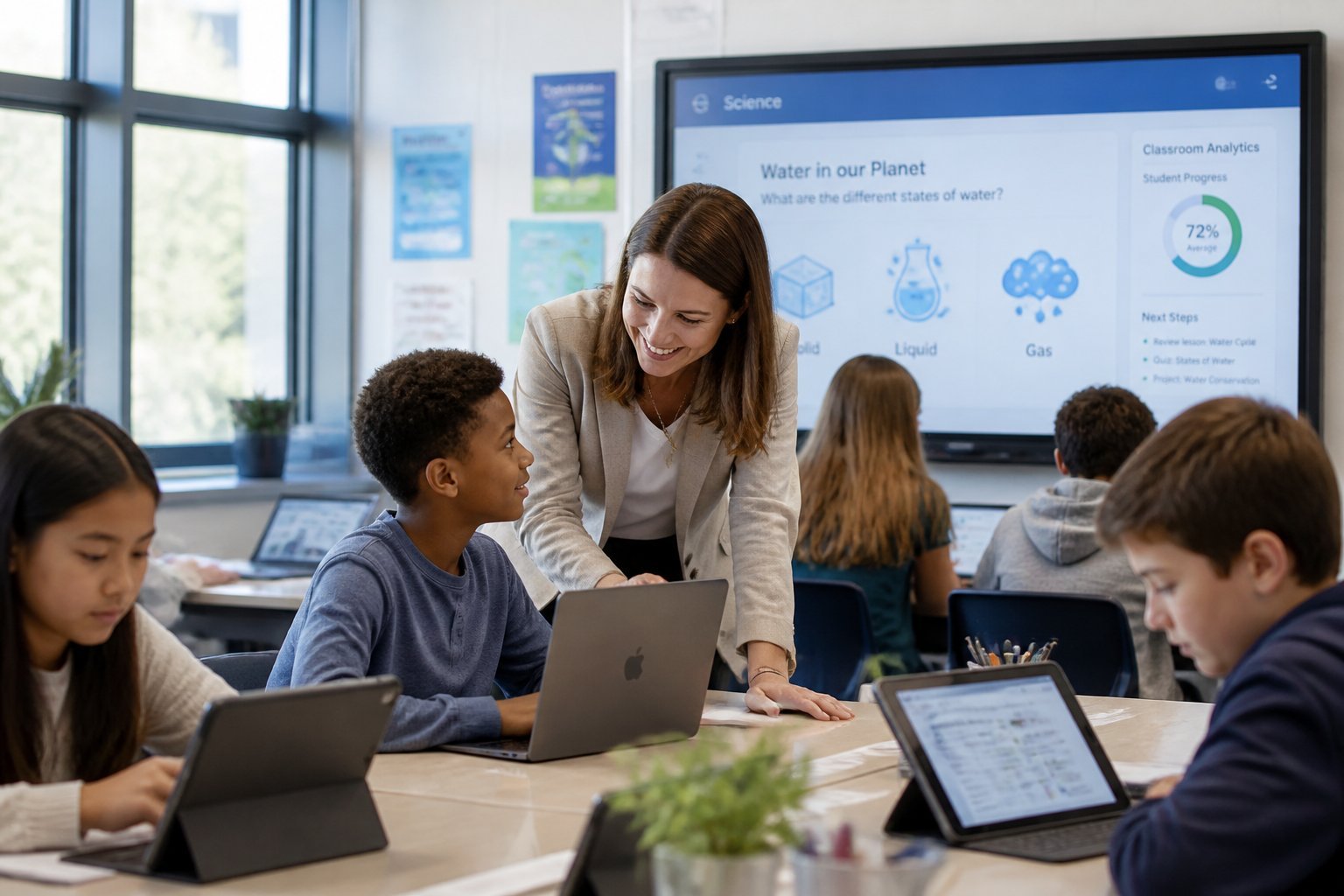
AI lets classrooms tailor content and pacing to each student, but it’s teachers who bring the judgment and emotional support that computers just can’t fake. The real magic happens when technology handles the data and logistics, leaving teachers free to focus on mentorship and the trickier stuff.
Personalized Learning and Feedback
AI tools dig into student data and create personalized learning paths that actually fit how each student learns. Machine learning can spot gaps, tweak difficulty, and keep things challenging—but not overwhelming.
Adaptive learning platforms can whip up quizzes and assignments instantly, grading them on the spot. They track not just scores, but how fast students work, where they make mistakes, and whether they’re actually engaged.
Teachers use these AI insights to figure out who needs extra help and where students are tripping up. With the tech doing the grunt work, teachers get to spend more time giving the kind of feedback that motivates and supports students on a personal level.
Tools that process language can check grammar and structure in student writing right away. But it’s still up to teachers to dig into the creativity, the argument, the ideas—stuff AI just can’t judge well (yet, anyway).
Human-AI Collaboration and EdTech Solutions
EdTech solutions team up AI with teachers for blended learning. Smart tutoring systems walk students through practice, while teachers lead the big-picture discussions and help tackle tougher problems.
AI assistants can take care of the boring admin—attendance, grades, even suggesting lesson tweaks. That frees up teachers to actually work with students instead of getting buried in paperwork.
Posthumanist perspectives are starting to look at how AI changes what it means to be a teacher. Instead of being the main source of information, teachers now help students use AI tools wisely and thoughtfully.
Modern EdTech platforms mix together all sorts of AI—machine learning, language processing, tutoring systems. Schools are using these alongside classic teaching to meet all kinds of learning needs. The goal, really, is to keep the human connection at the center, while letting technology do what it does best in the background.
Preparing Teachers for the Future of Education
Robust teacher training programs are supposed to help educators get comfortable with weaving AI tools into their teaching. There’s a big emphasis on figuring out what AI can (and can’t) do, making sense of its suggestions, and—maybe most importantly—keeping the teacher in the driver’s seat when it comes to lesson planning. Nobody wants to feel like they’re just following a script written by an algorithm, right?
Teachers also dive into the messier side of things, like privacy, bias, and accessibility concerns that inevitably pop up with AI. Training usually touches on how to keep student data protected, how to spot when an algorithm might be playing favorites, and ways to make sure every student actually benefits from the tech, no matter their background.
There’s a lot of talk about picking the right AI tools for the job. Educators are encouraged to really question whether a new gadget or app is actually making a lesson better or if it’s just adding another layer of confusion. That kind of critical eye helps ensure technology supports actual learning goals instead of taking over the classroom.
And honestly, sometimes the best help comes from other teachers. Professional learning communities give educators a chance to swap stories about what worked (or didn’t) with AI, and to tackle those inevitable hiccups together. These networks are kind of a lifeline as everyone tries to keep up with the ever-shifting world of educational tech and figure out how to make it work for real students, in real classrooms.